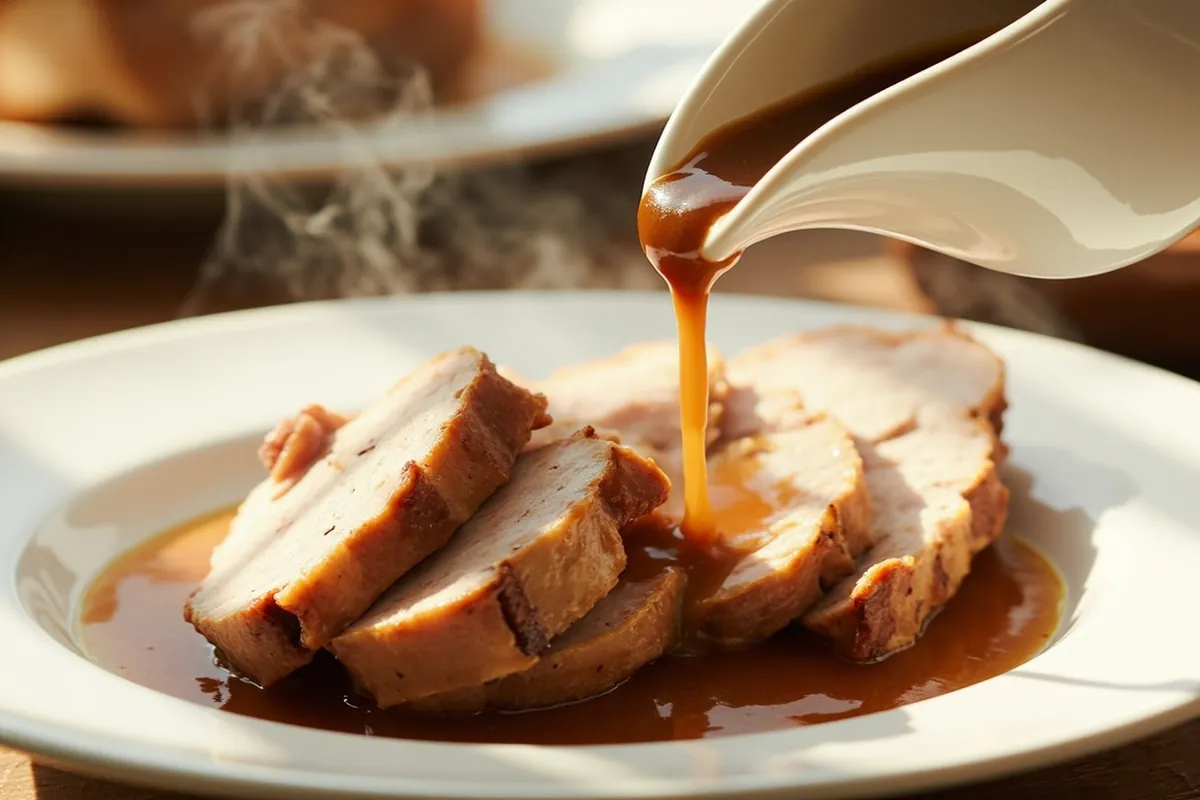
For many, gravy is the unsung hero of a comforting meal, the luscious finishing touch that ties everything together. From holiday feasts to simple weeknight dinners, a rich, velvety gravy can elevate any dish. But for those navigating celiac disease or gluten sensitivity, traditional gravy, thickened with wheat flour, has long been a forbidden pleasure, often leading to disappointment or anxiety at the dinner table. The good news? You absolutely can create a perfect gluten free gravy that’s not only incredibly flavorful and smooth but also completely celiac-safe. This isn't just a substitute; it's a game-changer that brings back tradition, comfort, and the joy of worry-free dining.
Why Gluten-Free Gravy Matters: Beyond the Plate
The journey to embracing gluten-free cooking often begins with a diagnosis of celiac disease or a discovery of gluten intolerance. Suddenly, beloved staples like bread, pasta, and yes, even gravy, become potential sources of discomfort or serious health risks. For families like ours, where celiac disease is a reality, finding a reliable gluten-free gravy recipe was nothing short of revolutionary. It meant transforming holiday dinners from a source of stress into moments of shared pleasure, knowing every guest could savor every bite without reservation.
Traditional gravies typically rely on all-purpose flour or wheat starch for thickening, both of which contain gluten. For individuals with celiac disease, even a tiny amount of gluten can trigger a severe autoimmune reaction, making careful ingredient selection paramount. This isn't just about avoiding obvious gluten sources; it's also about meticulous attention to cross-contamination. Using certified gluten-free flours and broths, and ensuring all cooking surfaces and utensils are free from gluten residues, is crucial for safety and peace of mind.
The beauty of a well-crafted gluten-free gravy extends beyond mere dietary necessity. It’s about inclusivity, ensuring that no one feels left out during celebratory meals. It’s about recreating those cherished culinary traditions without compromising on taste or texture. Brands like Bob’s Red Mill and King Arthur have become staples in gluten-free kitchens worldwide, offering trusted, tested products like their 1-to-1 baking flours that make achieving that classic gravy consistency easier than ever.
The Secret to Perfect Gluten-Free Gravy: Ingredients & Substitutions
Crafting a stellar gluten-free gravy starts with understanding the role of each ingredient and making smart, safe choices. Forget the misconception that gluten-free means flavor-free or a compromised texture. With the right components, your gluten free gravy will be rich, savory, and wonderfully smooth.
- The Thickener: Gluten-Free Flour is Key
While cornstarch, arrowroot powder, or tapioca starch can work as thickeners, for that classic, robust, and opaque gravy finish, gluten-free flour blends are often superior. We highly recommend certified gluten-free 1-to-1 baking flours such as Bob’s Red Mill Gluten-Free 1-to-1 Baking Flour or King Arthur Gluten-Free Multi-Purpose Flour. These blends are specifically formulated to mimic the performance of wheat flour, offering a fine texture that dissolves beautifully into a roux, creating a stable, lump-free gravy. Always ensure the flour you choose is explicitly labeled "certified gluten-free" to prevent any cross-contamination risks. - The Flavor Base: Pan Drippings or High-Quality Broth
The soul of any good gravy lies in its base. For holiday roasts, nothing beats the concentrated flavor of turkey or chicken drippings collected from the roasting pan. These savory juices provide an unparalleled depth that forms the foundation of your gravy. For weeknight meals or when drippings aren't available, a robust, high-quality gluten-free broth (chicken, turkey, or vegetable) is essential. Brands like Bonafide Provisions, Imagine, Kettle & Fire, and Pacific offer excellent gluten-free options. Always double-check the label, as some broths can contain hidden gluten. - The Fat: Butter for Richness, Alternatives for Dietary Needs
Unsalted butter adds a luscious richness and helps create that foundational roux. If you have dairy sensitivities or prefer a vegan option, high-quality olive oil, avocado oil, or even a vegan butter substitute can work equally well. The key is to use a fat that complements the overall flavor profile of your gravy. - Seasonings & Aromatics: Elevating the Flavor Profile
Beyond the savory drippings and broth, a few simple seasonings can transform your gravy. A pinch of onion powder and garlic powder adds an aromatic complexity without the texture of fresh alliums. Fresh or dried herbs like sage, thyme, and rosemary are perfect for poultry gravies, imparting an earthy, festive note. Don't forget salt and freshly cracked black pepper to taste. A dash of gluten-free tamari or a squeeze of lemon juice at the end can also brighten and deepen the flavor significantly.
Mastering the Art of Silky Smooth Gravy: Techniques & Troubleshooting
Achieving that coveted silky-smooth texture in your gluten-free gravy isn't just about the ingredients; it's about technique. Avoid common pitfalls and follow these simple steps to ensure a consistently perfect gravy every time.
- Start with a Roux: The Foundation of Smoothness
The most critical step to prevent lumps is creating a proper roux. Begin by melting your butter (or chosen fat) in a saucepan over medium heat. Once melted and slightly bubbling, gradually whisk in your gluten-free flour. Whisk continuously for 1-2 minutes, cooking out the raw flour taste and creating a smooth, paste-like consistency. This cooked flour mixture is your roux, and it acts as a stable base for thickening without clumping. - Gradual Liquid Addition: The Golden Rule
Once your roux is ready, slowly pour in your warm broth or drippings, a little at a time, while continuously whisking. This gradual addition allows the flour to absorb the liquid evenly and expand without forming lumps. If you dump all the liquid in at once, you’re practically guaranteed to get a lumpy mess. Start with about half a cup, whisk until fully incorporated and smooth, then add more. - Continuous Whisking & Simmering
Keep whisking as you add more liquid. Once all the liquid is incorporated, bring the gravy to a gentle simmer, still whisking occasionally. The heat activates the gluten-free flour's thickening properties. Allow it to simmer for 5-7 minutes, or until it reaches your desired consistency. The gravy will thicken further as it cools slightly. - Fine-Tuning Consistency and Flavor
Once simmering, taste and adjust seasonings. This is where you can add more salt, pepper, or herbs. If the gravy is too thick, simply whisk in a little more warm broth or water until it reaches your preferred consistency. If it's too thin, you have a couple of options:- Reduce it: Continue simmering gently, allowing more liquid to evaporate.
- Slurry: For a quicker fix, whisk a tablespoon of gluten-free flour (or cornstarch/arrowroot) with an equal amount of cold water or broth until smooth. Slowly whisk this slurry into the simmering gravy and continue to cook for another minute or two until thickened.
- Troubleshooting Lumps (The Emergency Fix)
Despite your best efforts, sometimes lumps happen. Don't despair! Simply pour your gravy through a fine-mesh sieve into another saucepan. Press any solids through with a spoon or spatula to ensure you capture all the flavor. You'll be left with a perfectly smooth gravy, ready to serve. For more detailed tips on avoiding and fixing lumps, check out our dedicated guide.
Versatility: Gravy for Every Occasion
The beauty of a well-executed gluten-free gravy is its incredible versatility. It's not just for Thanksgiving or Christmas dinner anymore, though it certainly shines during these feasts! This rich, smooth sauce is perfect for:
- Holiday Roasts: Drench your roasted turkey, chicken, or even a prime rib with this savory elixir.
- Sunday Dinners: Transform a simple roast chicken or pork loin into an elegant meal.
- Weeknight Comfort: Elevate mashed potatoes, serve alongside pan-seared chicken breasts, or spoon over gluten-free biscuits for a hearty breakfast.
- Beyond the Plate: Use it as a base for stews, enrich a shepherd's pie, or even drizzle over gluten-free poutine.
Whether you're making a dedicated turkey gravy with pan drippings or a quick chicken gravy from scratch with store-bought broth, the core principles remain the same. Experiment with different herbs – a touch of rosemary for beef gravy, a hint of thyme for chicken. The possibilities are endless, and each variation promises the same rich flavor and smooth texture you crave.
Embracing gluten-free cooking doesn't mean sacrificing flavor, texture, or tradition. With this comprehensive guide, you're now equipped to create a perfect gluten-free gravy that will impress even the most discerning palates. Say goodbye to store-bought packets and hello to a rich, smooth, and utterly delicious homemade gravy that brings comfort and safety back to your table. No more worry, just pure, unadulterated enjoyment for everyone, every single time.
