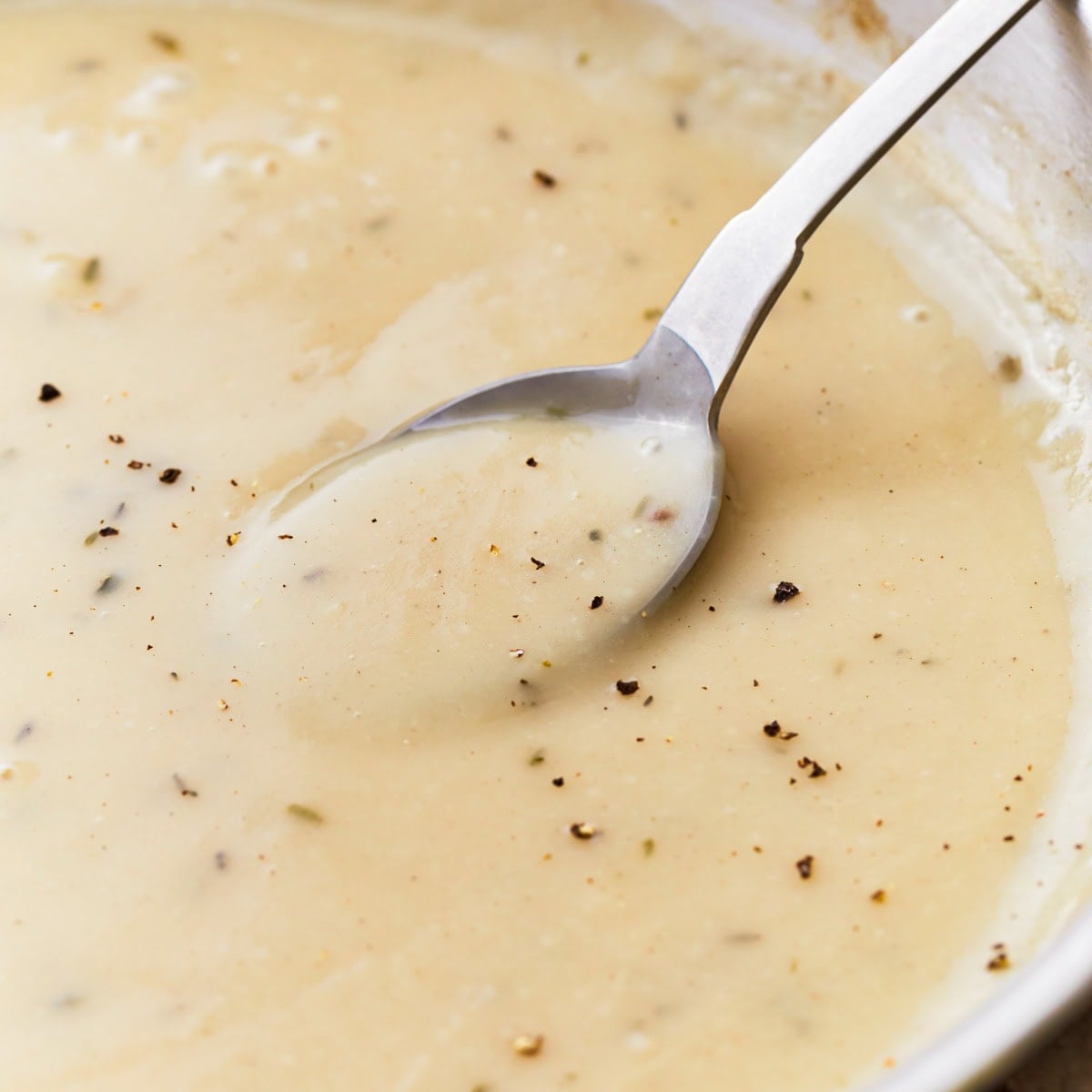
Easy Gluten-Free Gravy: The Ultimate Guide for Any Meal
There's something uniquely comforting about a rich, smooth gravy generously poured over mashed potatoes, a succulent roast, or even a simple weeknight meal. For those navigating the world of gluten sensitivities or celiac disease, this classic condiment can often be a source of anxiety, with traditional recipes relying heavily on wheat flour. But fear not! Achieving a truly delicious and perfectly safe
gluten-free gravy is not only possible but surprisingly easy, whether you have a bounty of pan drippings or are starting from scratch. This comprehensive guide will show you how to master the art of
Perfect Gluten-Free Gravy: Rich, Smooth, & Celiac-Safe, bringing back that cherished taste without compromise.
The Gluten-Free Gravy Game Changer: Why It Matters
For many, the diagnosis of celiac disease or gluten intolerance meant saying goodbye to favorite comfort foods, and gravy was often at the top of that list. Holiday dinners, once filled with joyous anticipation, became minefields of hidden gluten, making cross-contamination a constant worry. The good news is that advancements in gluten-free products and culinary techniques have made it possible to reclaim these traditions, safely and deliciously.
A reliable
gluten-free gravy recipe is more than just a culinary instruction; it's a game-changer for peace of mind. It means everyone at the table, regardless of dietary restrictions, can enjoy the same rich, savory flavors without a second thought. This inclusivity transforms meal times, particularly during special occasions, from a source of stress into moments of shared joy and comfort. It’s about ensuring that a dish as fundamental as gravy is accessible and enjoyable for all, free from the risks of wheat-based thickeners.
Crafting Your Perfect Gluten-Free Gravy: Key Ingredients & Considerations
The foundation of any great gravy lies in its ingredients. For a truly outstanding
gluten-free gravy, careful selection is paramount, focusing on both flavor and safety.
The Gluten-Free Thickener Debate: Choosing Your Flour
Traditional gravies rely on all-purpose wheat flour for their characteristic thickness and velvety texture. To achieve the same with a gluten-free twist, you need a suitable alternative. While cornstarch, arrowroot powder, and tapioca starch can thicken gravy, they often result in a slightly gelatinous or translucent finish that differs from the opaque, creamy consistency of a flour-based gravy.
For that classic, rich body and smooth finish, a quality gluten-free flour blend is your best bet. We highly recommend using a certified
gluten-free 1-to-1 baking flour or a multi-purpose gluten-free flour blend. Brands like Bob's Red Mill Gluten-Free 1-to-1 Baking Flour and King Arthur Gluten-Free Multi-Purpose Flour are excellent choices. They are specifically formulated to mimic wheat flour's performance in recipes, providing a fine texture that dissolves beautifully and prevents lumps. Crucially, always ensure the flour you choose is certified gluten-free to avoid any risk of cross-contamination. For more specific advice on thickeners, check out
Making Gluten-Free Gravy: Best Flours & Lumps-Free Tips.
The Flavor Foundation: Broth, Drippings, and Fat
*
Gluten-Free Broth: The backbone of your gravy's flavor. Whether you opt for chicken or turkey broth, always ensure it is certified gluten-free. Many conventional broths contain hidden gluten in the form of wheat extracts or starches. Trusted brands like Bonafide Provisions, Imagine, Kettle & Fire, and Pacific offer excellent gluten-free options.
*
Pan Drippings (Optional but Recommended): If you're roasting a turkey, chicken, or other meats, the pan drippings are liquid gold. They infuse your gravy with an unparalleled depth of savory, roasted flavor. Even a small amount can make a huge difference. These drippings are inherently gluten-free, provided the meat itself hasn't been brined or seasoned with gluten-containing ingredients.
*
Fat: Butter is typically used to create the roux, adding richness and helping the flour cook out its starchy taste. You can also use the rendered fat from your pan drippings for an even more intense flavor, or a combination of both. For dietary considerations, dairy-free butter alternatives can also work well.
Essential Seasonings
Simple seasonings are often all you need to elevate your gravy. Onion powder, garlic powder, salt, and freshly ground black pepper are staples. For an extra layer of freshness, consider adding a sprig of fresh thyme or rosemary during the simmering phase, removing it before serving. A dash of gluten-free tamari or Worcestershire sauce (ensure it's certified GF) can also add an umami boost.
Mastering the Technique: Achieving Silky Smoothness (No Lumps!)
The secret to a perfectly smooth
gluten-free gravy lies in the technique, specifically in how you introduce your thickener. Forget those grainy, lumpy gravies of the past!
1.
Start with a Roux: The golden rule for lump-free gravy is to create a roux. Begin by melting your butter (or rendered fat) in a saucepan over medium heat. Once melted, gradually whisk in your chosen gluten-free flour. Whisk continuously for 1-2 minutes, allowing the flour to cook out its raw taste and create a smooth, paste-like consistency. This step is crucial and prevents the flour from clumping when liquid is added.
2.
Gradual Liquid Addition: This is where patience pays off. Slowly, in small increments, whisk in your gluten-free broth and/or pan drippings. Start with about half a cup, whisking vigorously until it's fully incorporated and smooth before adding more. Continue this process, adding liquid gradually and whisking constantly, until all the liquid is added and the gravy begins to thicken to your desired consistency.
3.
Simmer and Whisk: Once all the liquid is in, bring the gravy to a gentle simmer, continuing to whisk frequently. The simmering process allows the flour to fully hydrate and thicken the gravy. This can take anywhere from 5-10 minutes.
4.
Adjusting Consistency: If your gravy becomes too thick, simply whisk in a little more hot gluten-free broth or water until it reaches your preferred consistency. If it's too thin, you can continue to simmer and whisk gently, or make a very small slurry of gluten-free flour (or cornstarch for a quicker fix) mixed with a tablespoon of cold water, and whisk it into the simmering gravy.
Gluten-Free Gravy for Every Occasion: With or Without Drippings
One of the greatest strengths of this
gluten-free gravy recipe is its adaptability. It shines equally well when made from rich pan drippings or when you need a fantastic gravy from scratch.
With Pan Drippings: The Holiday Star
When you've just roasted a magnificent turkey or chicken, don't let those flavorful pan drippings go to waste! Skim off any excess fat (unless you plan to use it in your roux) and pour the remaining drippings into a measuring cup. Supplement with gluten-free broth until you have the required liquid volume. These drippings provide an incredible depth of flavor that can't be replicated, making your gravy the undisputed star of any holiday feast or Sunday dinner.
Without Drippings: The Weeknight Hero
No roast on the menu? No problem! You can still create a wonderfully flavorful
gluten-free gravy from scratch. Simply start with your chosen fat (butter, olive oil, or even a neutral oil like avocado oil) and your gluten-free flour to form the roux. Then, use 100% gluten-free chicken or turkey broth as your liquid base. Enhance the flavor with a bit more onion and garlic powder, a pinch of poultry seasoning, and perhaps a touch of umami from gluten-free tamari. This method is perfect for quick weeknight meals, bringing a touch of gourmet to mashed potatoes, gluten-free fried chicken, or even rice bowls.
Beyond the Basics: Elevating Your Gluten-Free Gravy
Once you've mastered the basic technique, feel free to experiment and customize your
gluten-free gravy to suit your taste.
*
Herb Infusion: For a more aromatic gravy, add a sprig of fresh rosemary, sage, or thyme to the simmering gravy. Remove it before serving.
*
Mushroom Medley: Sauté finely diced mushrooms (cremini or shiitake work well) in butter before adding the flour for the roux. This adds an earthy, savory dimension.
*
Wine or Sherry: A splash of dry white wine or dry sherry (ensure it's gluten-free) added after the roux is formed and allowed to reduce for a minute can add complexity.
*
Nutritional Yeast: A tablespoon or two of nutritional yeast can provide a cheesy, umami depth without dairy.
Making a delicious, safe, and truly satisfying
gluten-free gravy is well within reach for any home cook. By choosing the right ingredients, mastering a few simple techniques, and not shying away from customization, you can create a gravy that will become a beloved staple at your table, for every meal and every occasion. Say goodbye to gravy FOMO and hello to rich, silky, gluten-free perfection!