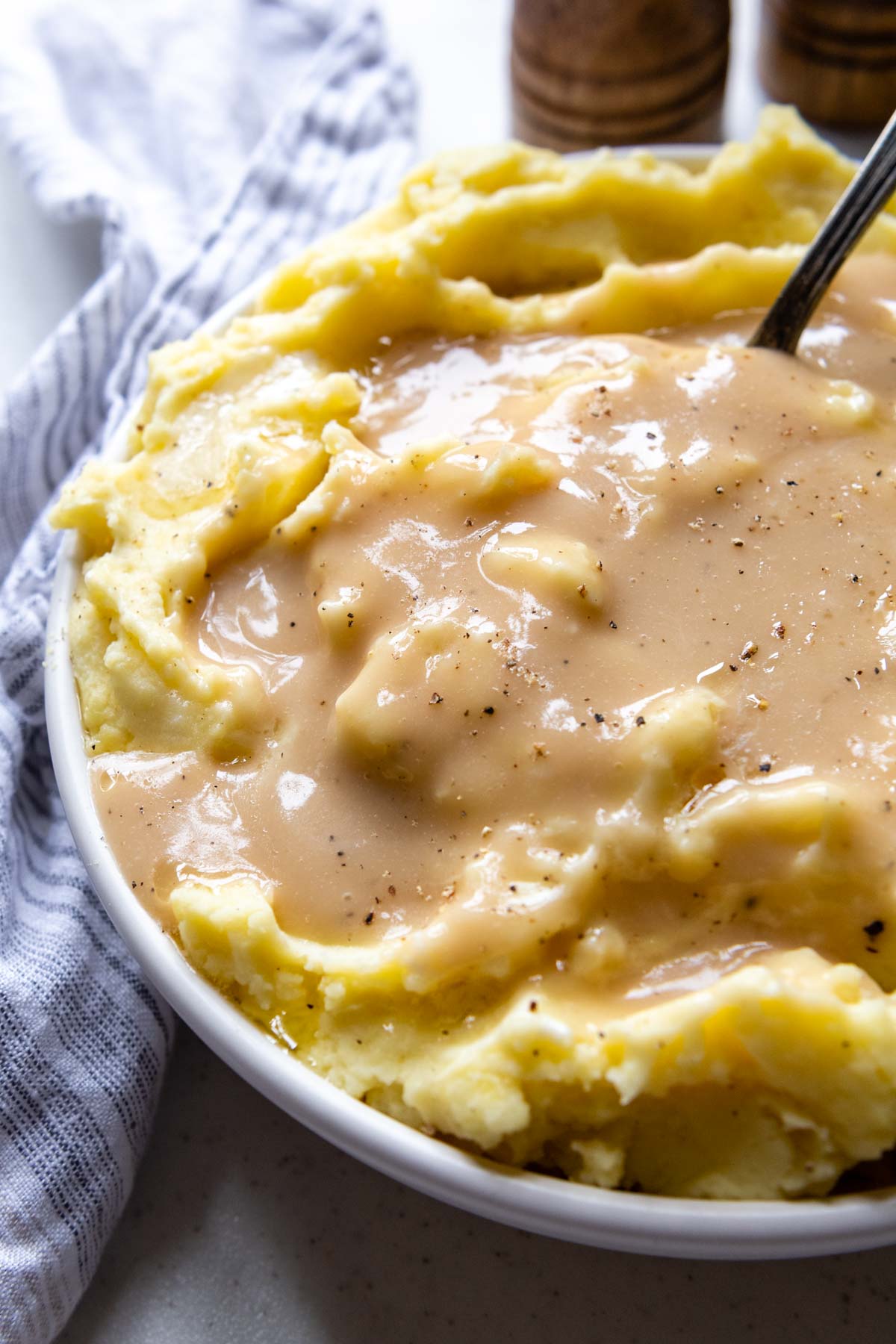
Mastering the Art of Making Gluten-Free Gravy: Best Flours & Lumps-Free Tips
For many, gravy is the unsung hero of any comforting meal, from a festive holiday roast to a humble weeknight plate of mashed potatoes. Its rich, savory notes and silky texture bring dishes to life. However, for those navigating celiac disease or gluten sensitivities, traditional gravy, thickened with wheat flour, has long been off the menu – or a source of anxiety. The good news? Crafting a gluten-free gravy that is every bit as delicious, smooth, and lump-free as its traditional counterpart is not only possible but surprisingly simple with the right ingredients and techniques. We understand the importance of bringing that comfort and tradition back to the table, without any compromise on taste, texture, or, most importantly, safety. This guide will walk you through everything you need to know, from selecting the ideal gluten-free thickeners to mastering the techniques for a perfectly smooth, rich gravy every time.The Gluten-Free Gravy Challenge: Why Traditional Isn't Always Safe
At first glance, gravy seems innocent enough. A savory liquid, usually from meat drippings or broth, thickened to a delectable consistency. The problem, however, lies in that thickening agent. Most classic gravy recipes rely on all-purpose wheat flour or wheat starch, both of which contain gluten. For individuals with celiac disease, even a tiny amount of gluten can trigger a severe autoimmune reaction, making careful ingredient selection and cross-contamination prevention paramount. Beyond just the main thickener, it's crucial to be vigilant about all components. Broths, bouillons, and even some seasonings can contain hidden gluten. This is why using certified gluten-free gravy ingredients across the board is essential. Brands that prioritize strict gluten-free standards, often displaying a certified gluten-free label, become invaluable allies in the kitchen. This attention to detail ensures that your rich, savory sauce is not just delicious, but also completely safe for everyone at the table.Choosing the Best Gluten-Free Flours and Thickeners for a Perfect Gravy
The key to a truly outstanding gluten-free gravy lies in selecting the right thickener. While various options exist, some stand out for their ability to mimic the texture and consistency of traditional gravies most closely.Recommended Gluten-Free Flours for Classic Gravy Texture:
- Gluten-Free 1-to-1 Baking Flour Blends: These blends are often formulated with a mix of rice flour, sorghum flour, potato starch, and tapioca starch, sometimes with added xanthan gum. Their fine texture and balanced composition make them excellent for gravies, often allowing for a direct 1:1 substitution for wheat flour in recipes. Brands like Bob’s Red Mill Gluten-Free 1-to-1 Baking Flour and King Arthur Gluten-Free Multi-Purpose Flour are highly regarded for their consistent results, producing gravies with a beautiful, smooth finish and classic opacity. They are certified gluten-free, ensuring peace of mind.
Alternative Gluten-Free Thickeners:
While the 1-to-1 baking flours are ideal for a classic, opaque gravy, other options offer different characteristics:- Cornstarch: A very common gluten-free thickener, cornstarch creates a gravy that is slightly more translucent and glossy than one made with flour. It has twice the thickening power of flour, so you'll need less of it. To use cornstarch, always make a "slurry" by mixing it with an equal amount of cold liquid (water or broth) before adding it to hot gravy. This prevents lumps.
- Arrowroot Powder: Similar to cornstarch, arrowroot also yields a glossy, somewhat translucent gravy. It's often preferred for its neutral flavor and ability to withstand freezing and thawing without breaking down, unlike cornstarch, which can become spongy. Use it in a slurry just like cornstarch.
- Tapioca Starch (or Tapioca Flour): This starch provides a good thickening power and a pleasant chewiness, but can sometimes result in a slightly stringy texture if too much is used or if it’s overcooked. It also creates a glossy finish. Like cornstarch and arrowroot, it’s best introduced as a slurry.
Mastering the Art of Lump-Free Gluten-Free Gravy: Essential Techniques
One of the most common pitfalls in gravy making, gluten-free or not, is the dreaded lump. Thankfully, achieving a perfectly smooth gluten-free gravy is entirely within reach with a few simple techniques.1. The Roux Method: Your Best Friend
The secret to lump-free gravy begins with the roux. A roux is a mixture of fat and flour cooked together. For gluten-free gravy, this means whisking your chosen gluten-free flour (like Bob’s Red Mill 1-to-1) into melted butter or another fat.- Melt the Fat: Start by melting butter (or a dairy-free alternative) in a saucepan over medium heat.
- Add Flour Gradually: Once the butter is melted and slightly bubbling, gradually sprinkle in the gluten-free flour while whisking continuously. The ratio is typically equal parts fat to flour by volume (e.g., 2 tablespoons butter to 2 tablespoons flour).
- Cook the Roux: Whisk and cook the roux for 1-2 minutes. This step is crucial for cooking out the raw flour taste and ensuring a smooth base. The mixture will form a thick paste.
2. Gradual Liquid Addition & Constant Whisking
- Warm Liquids Help: While not strictly necessary, using warm (not boiling) broth or drippings can help prevent lumps and promote a smoother consistency more quickly.
- Add Slowly: Begin by adding a small amount of your liquid (about ¼ cup) to the roux, whisking vigorously until it's fully incorporated and smooth. It will seem very thick at first.
- Continue Gradually: Keep adding the liquid in small increments, whisking constantly after each addition until the gravy is smooth before adding more. This gradual process allows the flour to absorb the liquid evenly and expand without clumping.
- Adjust Consistency: As you continue to add liquid, the gravy will begin to thicken. Keep whisking until you reach your desired consistency. If it becomes too thick, simply whisk in a little more broth or water until it loosens up. If it's too thin, allow it to simmer gently for a few more minutes, stirring occasionally, to allow some liquid to evaporate and the gravy to thicken.
If, despite your best efforts, you still find a few stubborn lumps, don't despair! You can carefully strain the gravy through a fine-mesh sieve or even use an immersion blender for a few seconds to achieve perfect smoothness.
Beyond the Basics: Enhancing Flavor and Versatility
A truly great gluten-free gravy is not just about texture; it's about depth of flavor. Whether you have rich pan drippings or are starting from scratch, there are many ways to elevate your gravy.With or Without Drippings:
One of the beauties of modern gluten-free gravy recipes is their adaptability.- Using Pan Drippings: For the ultimate flavor boost, especially for holiday meals like Thanksgiving turkey or a Sunday roast, pan drippings are irreplaceable. They provide an incredible depth of savory goodness. After roasting your meat, carefully skim off excess fat, leaving behind the rich drippings and any caramelized bits at the bottom of the pan. These form the perfect base for your gravy.
- Without Drippings (Broth-Based): Don't have drippings? No problem! A delicious gluten-free gravy can be made entirely with high-quality gluten-free chicken or turkey broth. Look for certified gluten-free brands like Bonafide Provisions, Imagine, Kettle & Fire, or Pacific. To boost the savory profile, consider sautéing finely minced shallots or garlic in the butter before adding the flour for the roux, or adding a touch of umami-rich nutritional yeast.
Flavor Enhancers:
- Herbs and Aromatics: Fresh herbs like thyme, sage, or rosemary can be simmered in the gravy and then strained out, or dried herbs can be added directly to the roux. A pinch of onion powder and garlic powder also adds foundational flavor.
- Wine or Sherry: A splash of dry white wine or sherry can deglaze the pan (if using drippings) and add a sophisticated layer of flavor. Ensure the wine is gluten-free.
- Black Pepper: Freshly ground black pepper is essential for rounding out the savory notes.
